

Currently Empty: ₦0.00


How to Become a Fintech Product Designer in Nigeria (Using the Career You Already Have)

If you are weighing how to become a fintech product designer in Nigeria, here is the advantage most guides never mention. Your years spent in banking, financial operations, or fintech adjacent work are not a handicap you need to overcome. They are exactly what a design bootcamp graduate does not have. This guide walks through why fintech is where the money and growth in Nigerian design careers currently sit, what your existing domain knowledge is genuinely worth to an employer, the real skills gap you still need to close, and why a twelve week implementation focused path beats starting a design bootcamp from zero.
Why Fintech Design Pays More Than Almost Anywhere Else
Nigeria now has over 430 active fintech startups worth more than 10.6 billion dollars combined, and 93 percent of them are based in Lagos, which tells you almost everything you need to know about where design demand and design budgets are concentrated right now. Fintech companies including Flutterwave, Paystack, Kuda, and Moniepoint consistently pay design salaries well above the general market average, because designing for financial products is genuinely harder work. It has to balance regulatory complexity, user trust, and mass market accessibility at the same time, inside every single screen. That difficulty is precisely why your domain knowledge carries real weight here, in a way it simply would not at a generic product company.
You Are Not Starting From Zero, and Here Is Why
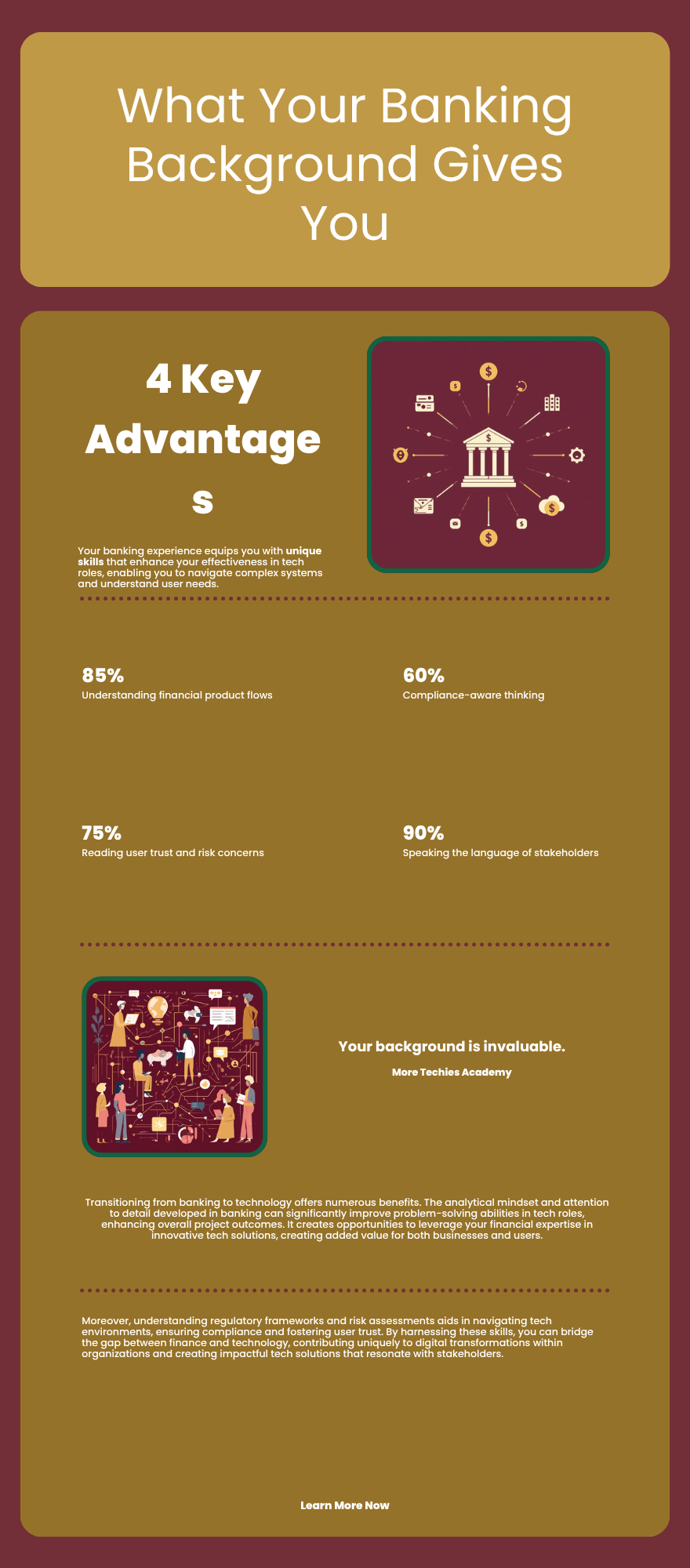
Anyone who has spent years in banking, financial operations, or a closely related field brings something a fresh design bootcamp graduate genuinely lacks. That graduate has to learn how financial products actually function, what compliance realistically requires day to day, and why users hesitate before trusting a screen with their money, all while simultaneously learning core design fundamentals from scratch. Someone coming from a finance or operations background has usually already absorbed the first three through years of direct, lived experience inside the industry.
What Your Domain Knowledge Actually Translates Into
This is a specific and practical advantage, not a vague claim about transferable skills. Understanding how a loan approval flow or a KYC process genuinely works means you design onboarding screens around real friction points rather than guessed ones. Compliance aware thinking means you already sense which UX shortcuts are legally acceptable and which ones will get flagged during review, long before a compliance team says a word. Having personally experienced financial trust concerns, including the small hesitation before confirming a transfer, means you design confirmation flows that genuinely reduce anxiety rather than screens that simply look clean on a portfolio slide. A junior designer usually learns all of this slowly, mistake by mistake, on the job. You have likely already learned it through years in the industry.
The Actual Skills Gap Left to Close
What remains is smaller than most career switchers assume. You need working fluency in a design tool such as Figma, a functioning UX process covering research, wireframing, testing, and iteration, and a portfolio that proves you can apply both to a real problem. That is a gap measured in weeks of focused effort, particularly when compared against someone starting with zero domain knowledge and zero design skills at exactly the same time.
What Fintech Designers Actually Earn in Nigeria
Reported figures vary depending on the source and how a company defines seniority internally, so treat the following as directional rather than exact. According to Profolio’s 2026 Nigeria salary data, junior UI and UX product designers typically earn between 150,000 and 300,000 naira monthly, mid level designers earn between 300,000 and 600,000 naira, and senior designers at top paying fintechs including Flutterwave, Paystack, Kuda, and Moniepoint can earn 700,000 to 1,000,000 naira or more, with equity added at some companies on top of base pay. The exact figures shift between sources, yet the underlying pattern stays consistent everywhere you look. Fintech pays a genuine premium over generalist design roles across the market.
Why Twelve Weeks Beats a Bootcamp Built for Beginners
A full design bootcamp is built for someone starting from zero, so it has to spend real time teaching domain context you may already possess from years of work experience. If you are translating existing expertise into a new specialism rather than starting completely fresh, that structure becomes the wrong tool for your specific situation. Our Talent Accelerator Programme, known as TAP, is a twelve week, live, implementation focused programme in which you apply one high impact digital capability to a real challenge inside your own career transition, supported by structured feedback throughout. It was built for professionals who already have income and an existing career to protect, not for people starting completely from nothing. If you are starting from scratch rather than switching from a related career, our guide to building a UX and UI design portfolio in Nigeria with zero experience is the better starting point for you.
Frequently Asked Questions
Can I become a product designer without a design background?
Yes, particularly in fintech, where domain knowledge in banking, finance, or operations closes much of the gap that a formal design background would otherwise fill.
Do fintech companies actually value banking experience?
Yes. Designers who understand financial product flows and compliance constraints from direct, firsthand experience are genuinely rare in the market, and hiring managers notice the difference quickly.
How long does it take to transition from banking to fintech design?
With focused, structured learning, career switchers who already hold relevant domain experience often transition faster than someone starting with no domain knowledge at all, frequently within a few months rather than years.