

Currently Empty: ₦0.00


How to Build a UX/UI Design Portfolio in Nigeria With Zero Experience (2026)
If you are trying to break into UX or UI design in Nigeria and keep hitting the same wall of no experience, no portfolio, and no interviews, you are dealing with the real blocker, not a minor inconvenience along the way. Most advice about salary ranges and general career paths skips straight past this problem entirely. This guide gives you a concrete method for building a UX design portfolio in Nigeria with no prior experience, using a Nigerian app you already know, a case study structure hiring managers actually respond to, and tools that make this genuinely more achievable in 2026 than it has ever been before.
Why Salary Curiosity Is Not Your Real Problem Right Now
Most guides to becoming a UX designer open with what the role pays, and that framing quietly misses where people actually get stuck. The real blocker is a loop. You have no experience, so you have no portfolio, so nobody agrees to interview you, and so you cannot gain experience through a job. Breaking that loop does not require landing a job first. It requires one well executed project that demonstrates you can think like a designer, even without a paying client behind the work.
The Nigerian Portfolio Method: Redesign an App You Already Use
Choose a Nigerian app you use regularly and find genuinely frustrating. PiggyVest, Cowrywise, Kuda, and Moniepoint are all strong choices, partly because hiring managers use these exact products themselves, which makes your finished work immediately legible to them during an interview. Document the current experience honestly, as it actually functions today. Pick one specific flow that causes real friction, such as an onboarding sequence, a checkout process, or a savings goal screen, rather than attempting to redesign the entire app at once. Speak to two or three other users of the same app about what frustrates them, so your redesign responds to real friction rather than only your personal opinion of the product.
The Case Study Structure Hiring Managers Actually Read
A portfolio project only works as intended when it is presented as a case study rather than a simple before and after screenshot. Walk through five elements in order: the problem that existed, who the affected users were, what you did to understand them even if that meant a handful of informal conversations, which design directions you considered and why you chose the one you shipped, and what outcome or impact the redesign was intended to create. This structure is exactly what separates a portfolio piece that reads as genuine design thinking from one that reads as an attractive mockup with no reasoning behind it.
How AI Prototyping Tools Changed the Bar in 2026
Something has genuinely shifted for beginners this year. Tools such as Figma Make and UX Pilot let you move from a redesign concept to a working, interactive prototype using plain language descriptions, without first needing deep mastery of traditional design software. Google’s Stitch performs a similar function, turning text prompts and rough wireframes into finished UI designs along with working front end code. None of this replaces the thinking described in the case study structure above. A polished AI generated prototype built on a shallow redesign still reads as shallow to an experienced reviewer. What has changed is that the technical barrier to producing something visually convincing is now far lower than it used to be.
When Solo Practice Stops Being Enough
Completing one redesign on your own is a genuinely strong start, but most people eventually get stuck on the same set of questions. Is this case study actually good, or does it only look good to me because I made it. Would a hiring manager find this convincing, or am I missing something obvious to someone with more experience. This is exactly where structured feedback becomes valuable. Not more tutorials, but direct input from someone with real hiring side experience telling you specifically what is working and what still needs work.
Turn Your Portfolio Into a Structured Career Path
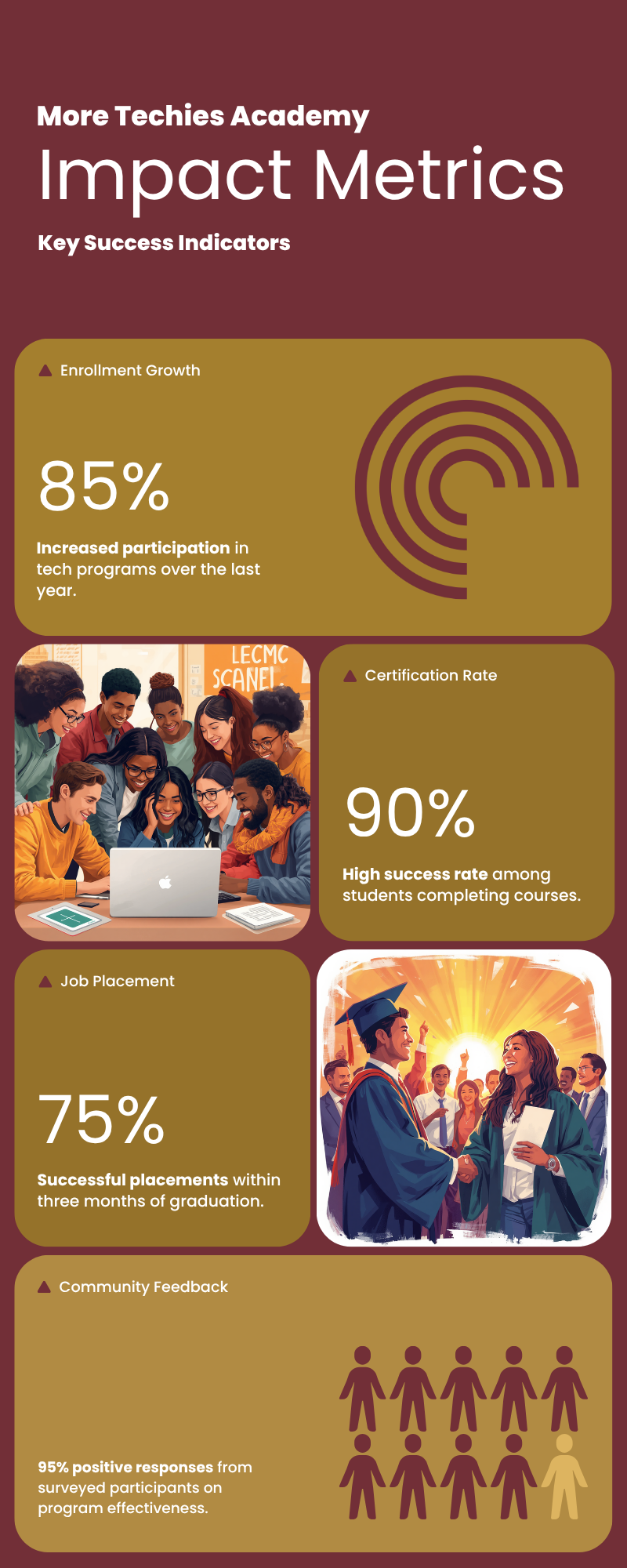
More Techies Academy’s Professional Skill Programmes include a UX and UI Design pathway that takes you from foundation level through to a job ready portfolio, with a certificate awarded on completion. If you want a fuller path involving real projects, mentorship, and a specialised digital career built over twelve months, our Digital Apprentice Fellowship’s AI Product Builder track goes deeper still, covering product thinking, UX fundamentals, and no code development from the ground up. For related career paths worth comparing, see our guides to becoming a product manager in Nigeria and the digital marketing career path in Nigeria. If you are already working in banking, finance, or operations rather than starting from scratch, our guide to becoming a fintech product designer in Nigeria using the career you already have is likely the better starting point.
Frequently Asked Questions
Do I need a design degree to become a UX designer in Nigeria?
No. Nigerian hiring managers consistently report advancing candidates whose portfolios demonstrate genuine design thinking over candidates who simply hold a specific degree.
How many portfolio projects do I need to get hired?
One strong, well structured case study is enough to begin applying for junior roles. Two to three well executed projects typically make a solid, competitive portfolio for a first UX role.
Can AI tools replace learning UX fundamentals?
No. AI prototyping tools speed up production of a finished prototype, but the research, problem framing, and design decisions behind it still have to come from you. A shallow redesign looks shallow regardless of how polished the AI generated output appears.